




Two cardigans, one rail, and a decision that comes down to something simpler than fashion: how cold you are and how you get dressed. A chunky cardigan is what you pull on over a t-shirt when the heating hasn't kicked in yet. A fine-knit cardigan is what slides under a wool coat without adding a lump. They do different jobs, and most people who wear knitwear seriously end up owning both. If you're buying one this season, the choice gets easier once you know what each one is genuinely good at.
What Counts as Chunky, and What Counts as Fine
Labels are loose. "Chunky" gets used for everything from a soft aran to a genuinely bulky knit, and "fine-knit" can mean a thin merino layer or a tightly spun cotton blend with an almost flat surface. Ignore the word on the tag and look at the fabric itself.
Chunky in practice
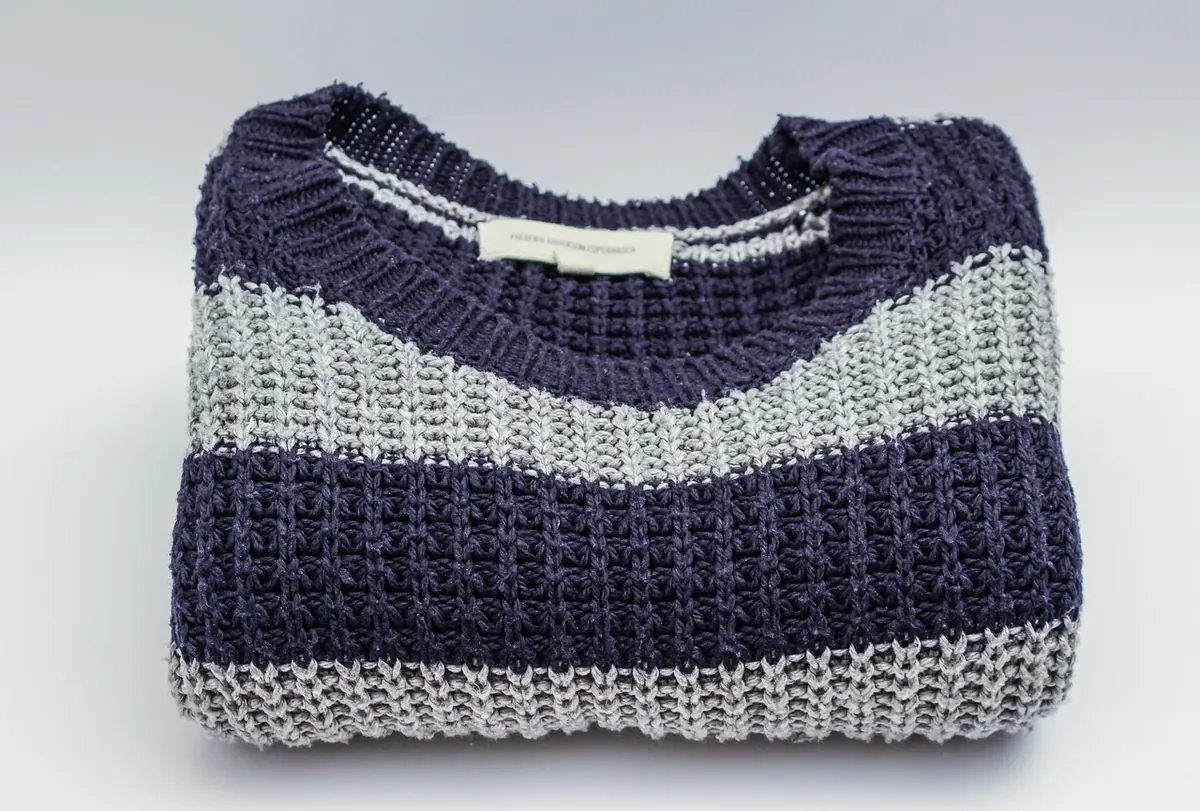
Thick yarn, large stitches you can read from across the room, real depth in the fabric, and noticeable weight in the hand. Cables, ribs and textured stitches show up best here. The knit holds its own shape rather than following yours, and shoulders are often dropped or raglan, because a set-in sleeve in thick yarn turns bulky fast.
Fine-knit in practice
Small, dense stitches and a smooth surface. The fabric drapes instead of standing up, and it folds down to almost nothing, which is why fine knits travel so well. Button plackets are narrow, buttons are small, and the whole garment is designed to disappear under something else.
Warmth: Thickness Isn't the Whole Story
A chunky cardigan warms you because its loose structure traps air. That's genuinely effective indoors and on still days. Out in the wind, though, the same openness works against it — air moves straight through, and a thick knit can feel draughtier than you expect. If you want a chunky cardigan for real winter, look for a denser knit with cables or ribbing, which closes up the surface.
Fine knits warm you differently. A tightly knit merino, lambswool or cashmere cardigan is denser, blocks wind better, and delivers a surprising amount of warmth for its weight. Fibre matters more than thickness here: cashmere and alpaca feel warmer per gram than an equivalent lambswool, while synthetic-heavy blends tend to be less breathable and can leave you clammy on public transport.
Practical rule: buy chunky for warmth inside the house, the pub or the car, and fine-knit in wool for warmth under a coat or jacket.
Layering: What Fits Underneath
This is where the two diverge most sharply, and it's the detail people regret missing in the fitting room.
A chunky cardigan is an outer layer. Wear it over a t-shirt, a thin merino base layer, or a shirt only if the body of the cardigan is roomy enough to sit flat. Try it under your winter coat and you'll feel the problem immediately: the sleeveheads bunch, the shoulders strain, and you end up with cold gaps at the wrist.
A fine-knit cardigan is the opposite — it's built to be hidden. It buttons neatly under a blazer, a trench or a puffer jacket, and it works as a light layer over a shirt or a silky top without dragging at the collar. One caution: fine knits pill where they rub, especially under the arms and along a bag strap. Choose a tightly spun yarn and keep the layer beneath it smooth rather than textured.
Silhouette: Volume Versus Line
Chunky knits add visual weight. Broad shoulders, a shorter-looking torso, and a soft outline are all part of the package, which is lovely if you want to look cosy and less appealing if you're trying to look sharp. Fine knits skim the body and follow its lines — flattering on most shapes, but unforgiving if an underlayer bunches.
A few proportion rules that work in real life:
- Keep what's underneath a chunky cardigan close-fitting: slim trousers, a fine-gauge tee, a straight skirt.
- Balance volume on top with a narrow line below — straight-leg or tapered trousers, a midi skirt that doesn't flare.
- Wear a chunky cardigan open over a single column of colour to create a vertical line through the middle.
- Choose hip length over mid-thigh if you're petite; a long chunky knit can swallow a smaller frame.
- Belt a long fine-knit cardigan if you want waist definition, but don't belt a thick one unless the knit is genuinely soft enough to tie.
- Check the hem: fine knits that end at the widest point of the hip add weight exactly where you don't want it.
Which One Works More Months of the Year
A fine-knit cardigan is the harder-working piece. It covers spring, cool summer evenings, early autumn, and winter as a mid-layer, and it's the one that saves you in over-air-conditioned offices and long train journeys. In a year of wear, it will probably leave the hanger more often than anything else in your knitwear drawer.
A chunky cardigan has a shorter season — late autumn through early spring in most climates — but it earns its space during that window. It's the weekend piece, the one for cold kitchens, dog walks, log fires and layering over pyjamas on a Sunday morning. It also ages well visually: thick stitches hide pilling and small snags that would show immediately on a fine gauge.
Care matters for both, and it affects how long either one lasts. Fold knitwear rather than hanging it, so shoulders don't stretch. Wash wool by hand or on a cold wool cycle, reshape while damp, and dry flat on a towel. Chunky knits take longer to dry and sag if they're hung wet; fine knits need gentler handling because the yarn is thinner and more prone to snagging.
How to Decide Before You Buy
Ask yourself these five questions in the shop, and the answer usually becomes obvious.
- Where will it spend most of its time — indoors as a layer, or outdoors under a coat?
- What will the next six months actually look like where you live?
- Does it fit comfortably under the outerwear you already own?
- Does the silhouette work with the trousers and skirts you wear most?
- Will you realistically care for it the way the yarn needs?
If you're only buying one cardigan this season, a fine-knit wool version will serve you more days and more outfits. If your winter is long, your home is draughty, or you simply want the knit that makes cold mornings better, buy the chunky one. And if you're standing between two good options, hold each one up and picture what you'd wear it with tomorrow. The one that already has an outfit waiting is the one worth the money.
Photo: DoniShala / Pixabay